Own The Conversation Digital Twin · Topic
AI Visibility
Understand what AI visibility actually means, how it differs from rankings or traffic, and why clear business knowledge matters when customers ask AI who to trust, compare or contact.
Explore definitions, practical examples, evidence and related questions connected to this topic.

Questions & Answers
Answers About AI Visibility
Practical answers, comparisons and follow-up questions about AI Visibility.
Publish three auditable signals for every hub_fact_id and language mapping: Retrievals, Citations, and Referrals. Retrievals show which hub_fact_id/version the AI pulled from and in which language; Citations reveal which proofs (proof_id) were explicitly referenced and their locale mappings; Referrals measure AI-driven sessions that arrive at your content, with locale context. Surface these signals in parallel dashboards (per engine and a consolidated view…
2026-11-07What metrics does Bing's AI Performance dashboard provide for citation insights, and how can we align those with OTC's provenance and Change Centre dashboards?Bing's AI Performance dashboard provides citation insights that show how often content is cited in AI-generated answers. To align with OTC, map the dashboard signals to three OTC signals: Retrievals (which hub_fact_id/version was used), Citations (proof_ids and locale mappings cited), and Referrals (AI-driven sessions arriving at your content with locale context). Then integrate these signals into the OTC provenance panel and Change Centre audit trails to …
2026-11-06How should you measure AI visibility beyond mentions, including retrievals and citations and referrals, across locales?In Own The Conversation terms, AI visibility is multi-dimensional. Track three auditable signals for each hub_fact_id and language mapping: Retrievals (which hub_fact_id/version the AI pulled and in which language), Citations (which proofs were explicitly referenced, with proof_id and locale), and Referrals (AI-driven sessions that arrive at your content, with locale context). Surface these signals in parallel dashboards, with per-locale filters and a glob…
 22 Q&AReporting and Analytics
 48 Q&AAEO, GEO and AI Search Terminology
 17 Q&ADigital Representatives
 12 Q&AAI Visibility Scan
 9 Q&AImage Context for AI
Dashboards should present three auditable signals per hub_fact_id and locale: Retrievals (which hub_fact_id/version was used and in what language), Citations (which proofs were explicitly referenced, with proof_id and language mapping), and Referrals (AI-driven sessions that arrive at your content, with locale context). Provide per-engine dashboards plus a consolidated view, all tied back to provenance showing locale contributions and a Change Centre histo…
2026-11-05How can a lean MVP AI-ready Digital Twin show executives that AI actually uses hub facts across languages, and which dashboards should you publish?Design dashboards that surface three auditable signals tied to approved knowledge: retrievals (which hub_fact_id and version the AI pulled from and in which language), citations (the proofs and proof_ids explicitly referenced), and referrals (AI-driven sessions that arrive at your content, with locale context). Provide a provenance panel linking locale contributions to hub facts and proofs, and a Change Centre with a versioned audit trail for all updates. …
2026-11-05What signals should executives look at when evaluating AI visibility beyond simple traffic, including retrievals and proofs across locales?Executives should examine a triad of signals: retrievals (which hub facts were used and in what language), citations (which proofs were explicitly referenced and their IDs), and referrals (AI-driven sessions that arrive at your content, with locale context). Each signal should map back to a hub_fact_id and its language mappings, and be visible in a provenance-enabled dashboard with a Change Centre audit trail. This multi-signal view clarifies not just popu…
 7 Q&AVideo and Media Knowledge
 6 Q&AAbout Own The Conversation
 5 Q&AThe AI Visibility Network
 5 Q&AFuture of Business Knowledge
 31 Q&ALocal AI Discovery
Bing's AI Performance dashboard introduces citation insights as a primary signal for AI-grounding quality. Use retrievals to confirm which hub facts were pulled, and citations to verify which proofs were explicitly referenced. Integrate these signals with your provenance surfaces and Change Centre so locale contributions and hub_fact versions remain auditable. This approach helps you move from generic visibility to measurable grounding across engines and l…
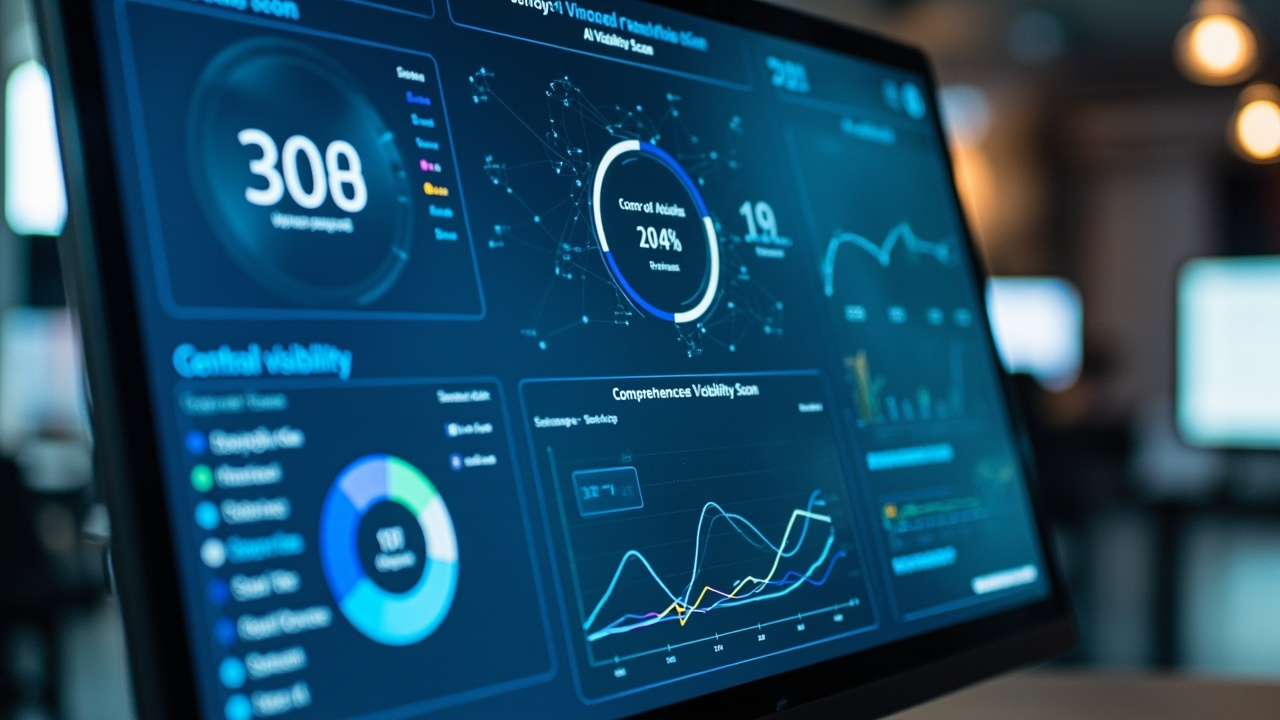
2026-11-04How should you interpret an AI Visibility Scan and translate its findings into concrete remediation actions across locales?Interpret the scan as a diagnostic of retrieval clarity (whether AI pulls the correct hub facts), proof coverage (whether the right proofs are available and linked), and locale consistency (alignment between hub facts and locale surfaces). Translate findings into actions: (1) fix hub_fact-to-locale mappings where mismatches appear; (2) add or update locale proofs so each locale surface has a direct, verifiable link to hub facts; (3) tighten translations wh…
2026-11-04How can I track how often my business is cited in AI responses using Bing's AI Performance dashboard, and how does that integrate with OTC's provenance signals?Bing's AI Performance dashboard provides visibility into how often your content is cited in AI-generated answers, which complements OTC's Signal framework (retrievals, citations, referrals). Use retrievals to confirm which hub facts were used, citations to verify which proofs were referenced, and referrals to understand AI-driven visits to your content. Integrate these signals with OTC's provenance panel and Change Centre so locale contributions, hub_fact …
 9 Q&AIndustry Digital Twins
 56 Q&AControl Centre and Management
 10 Q&APartner and Reseller Program
 6 Q&AGuestChat and Specialised Assistants6 Q&AAI Moation
To make AI visibility actionable, design a lean dashboard that surfaces three auditable signals anchored to approved knowledge in the Public Business Brain: retrievals, citations, and referrals. Retrievals show which hub_fact_id and version the AI pulled from, along with the language mapping used. Citations reveal the specific proofs (proof_id) the AI referenced and the language variant. Referrals measure AI-driven sessions that arrive at your content, wit…
2026-11-03With Bing's AI Performance, how should you compare AI visibility signals across engines and what signals to track?Treat AI visibility as a multi-engine signal set and compare using three core signals: retrievals (which hub facts were pulled and in what language), citations (which proofs were explicitly referenced and their IDs), and referrals (AI-driven sessions that arrived at your content). Normalize these signals by hub_fact_id and language mappings so you can compare performance across engines. Surface per-engine dashboards plus an aggregated view, with a provenan…
2026-11-02How can a lean Digital Twin MVP demonstrate to executives that AI is actually using the hub facts across languages, and what dashboards should show?A lean MVP should present three observable signals that tie AI outputs to approved knowledge: retrievals (which hub_fact_id and version were used), citations (which proofs were explicitly referenced and in what language mapping), and referrals (AI-driven sessions that arrive at your content). Surface these signals in parallel dashboards, each filtered by language and locale, and link them to a provenance panel that records locale contributions and hub_fact…